

FÖRFRÅGAN NU
 Search for...
Inverterad eller upprätt mikrospruta Manufacturers
Inverterad eller upprätt mikrospruta är en flexibel bevattningsutrustning med mikrospray designad för olika bevattningsbehov och lämplig för användning i en mängd olika jordbruks- och trädgårdsmiljöer. Dess unika design gör att sprinklerhuvudet kan arbeta i två lägen: upprätt eller inverterat, vilket gör det flexibelt anpassningsbart till olika installationsbehov och bevattningsmetoder. I inverterat tillstånd kan mikrosprinklern vara närmare markytan, vilket är lämpligt för grödor eller plantskolor med höga krav på markfuktighet och effektivt kan minska avdunstningsförlusten av vatten. I upprätt läge kan munstycket spruta vattendimma på högre höjd, vilket gör det lämpligt för användning på gräsmattor, rabatter och andra områden som behöver täcka ett större område.
Inverterad eller upprätt mikrospruta
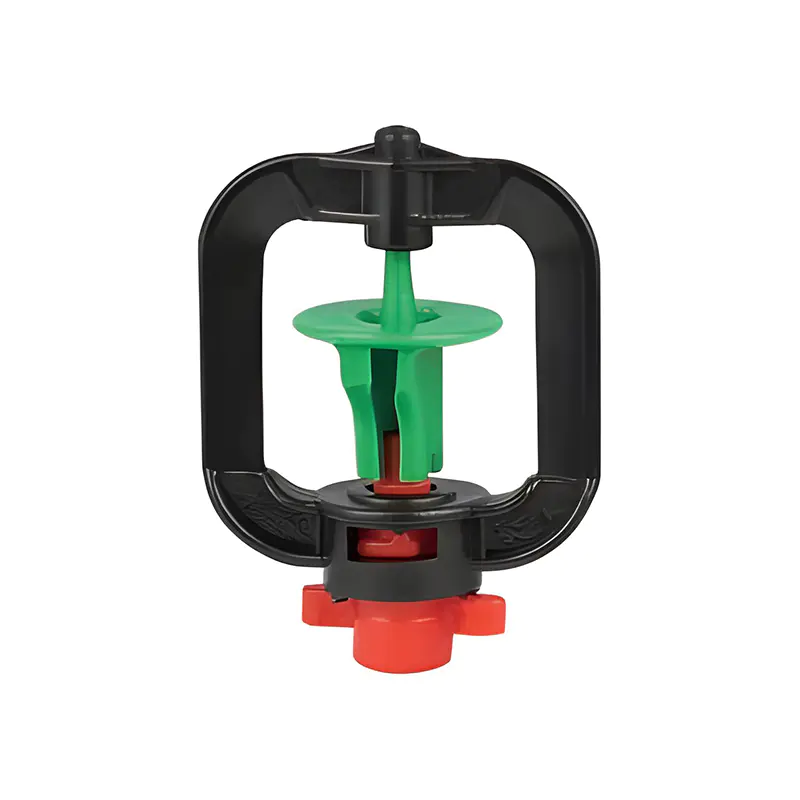

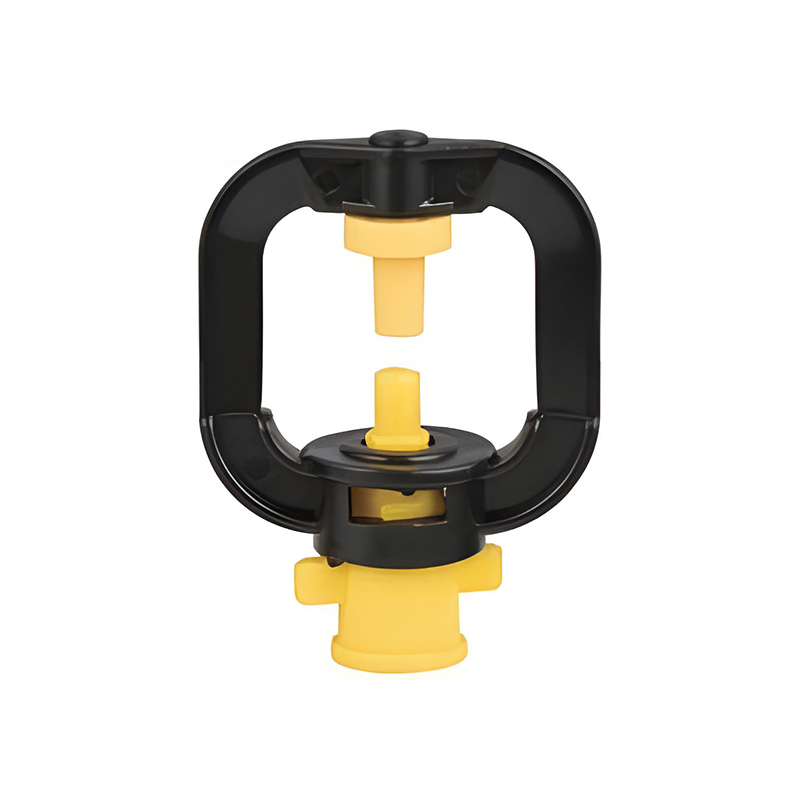
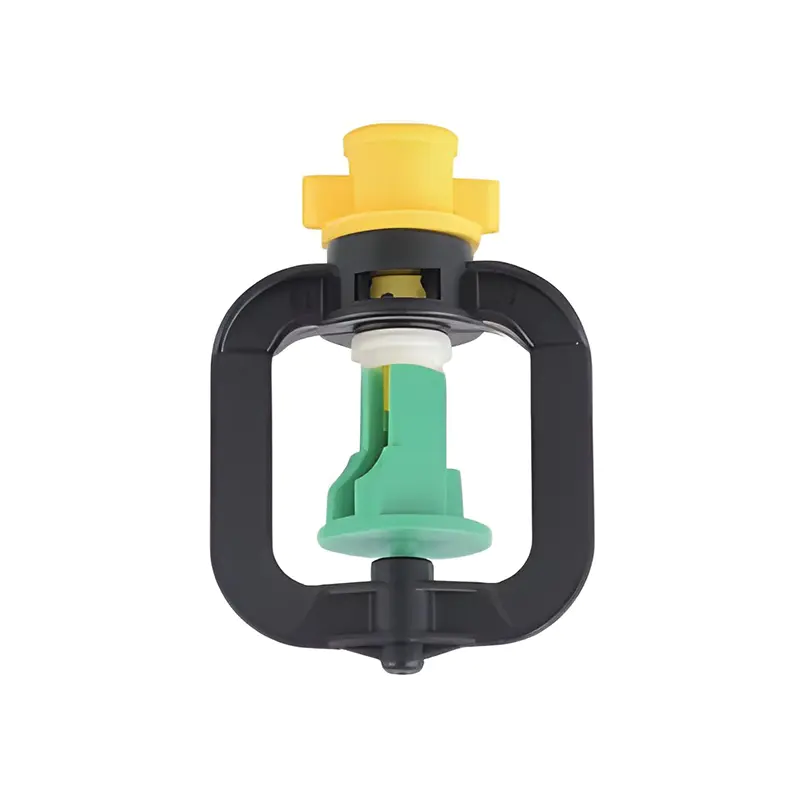
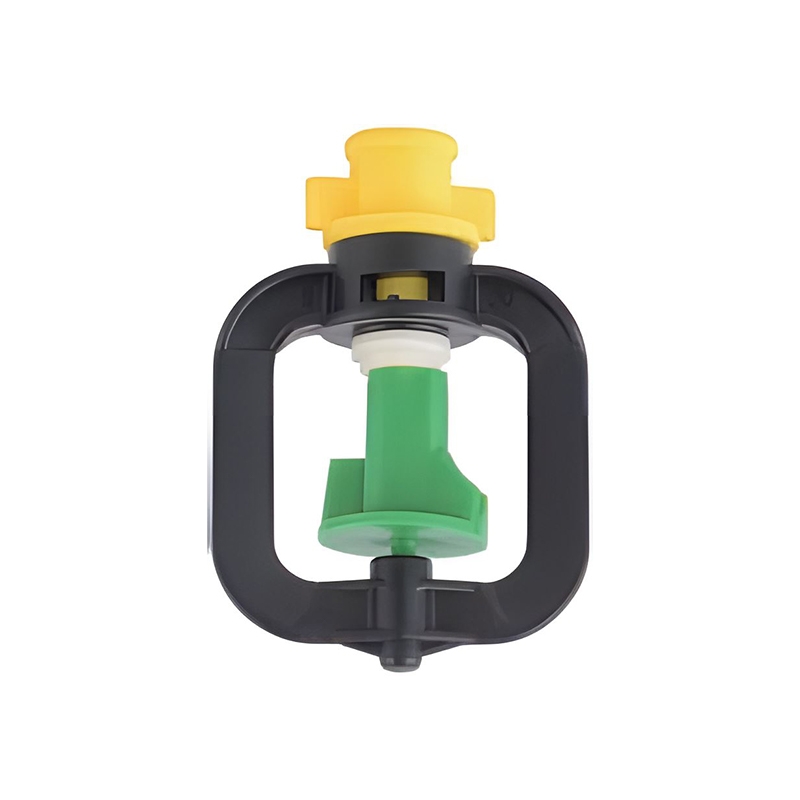
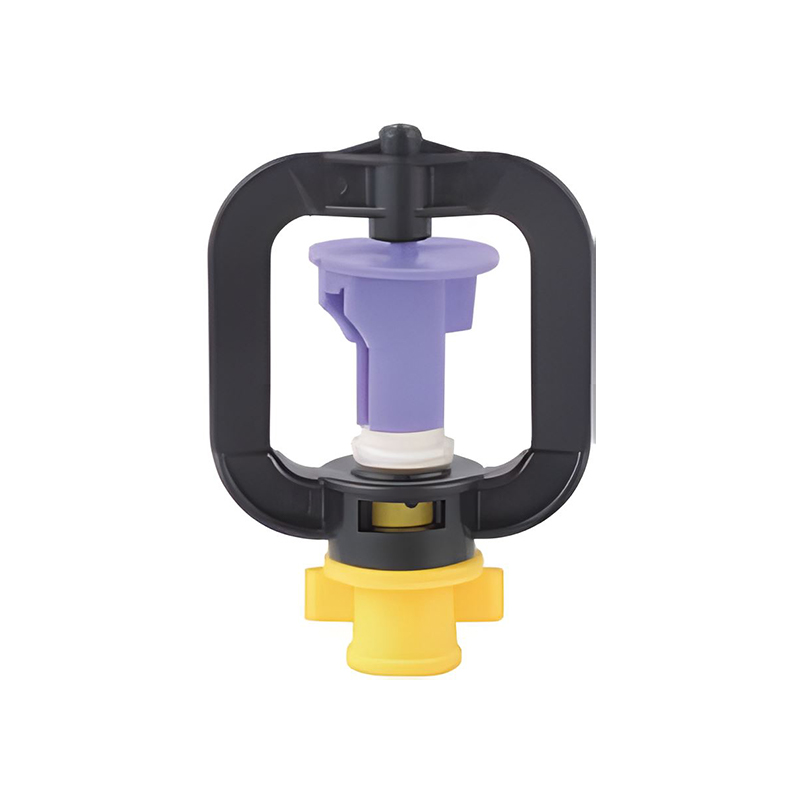
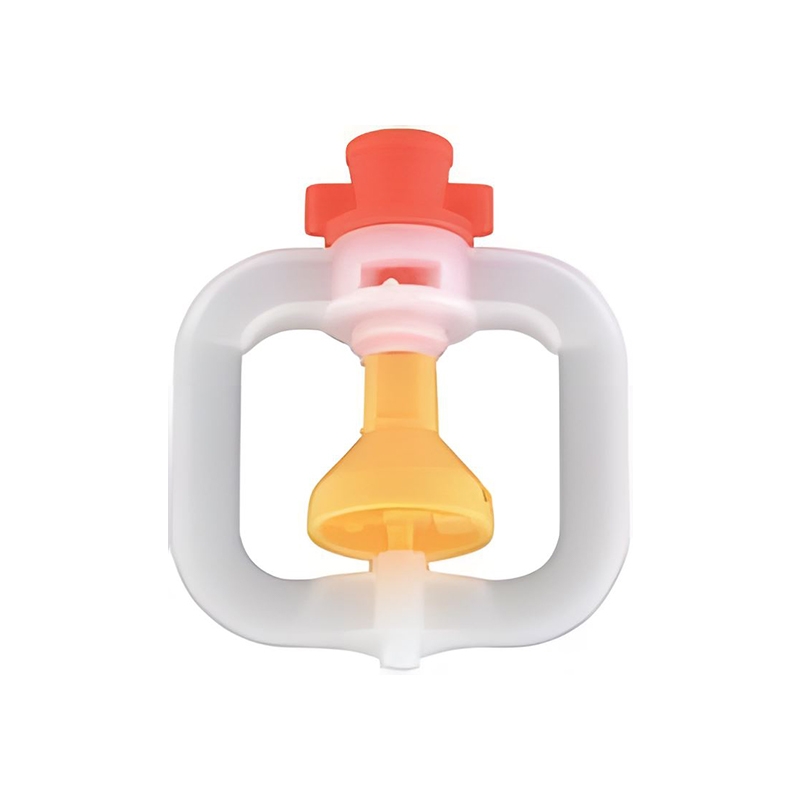
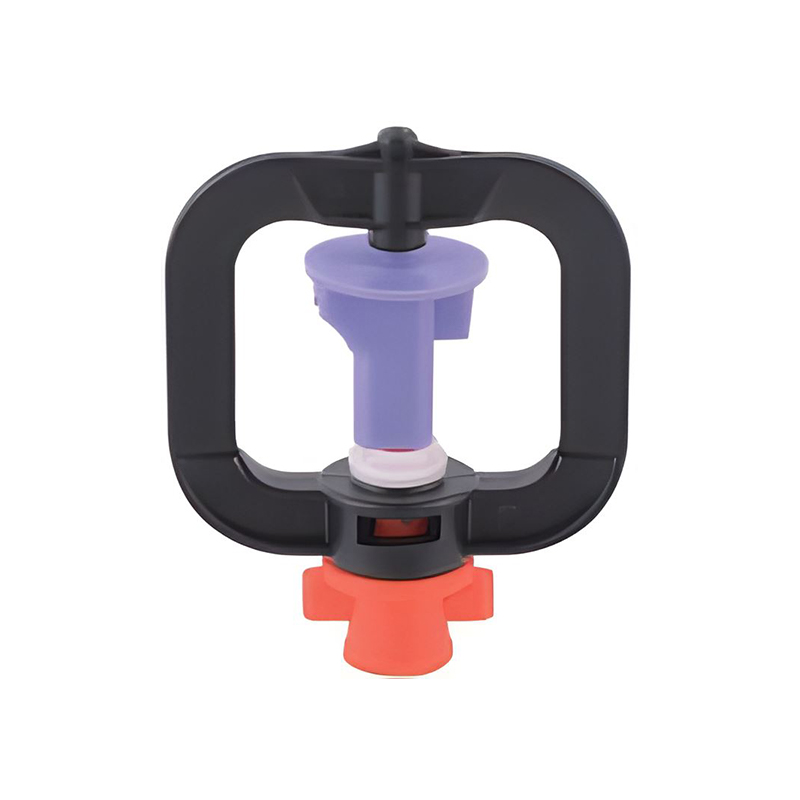
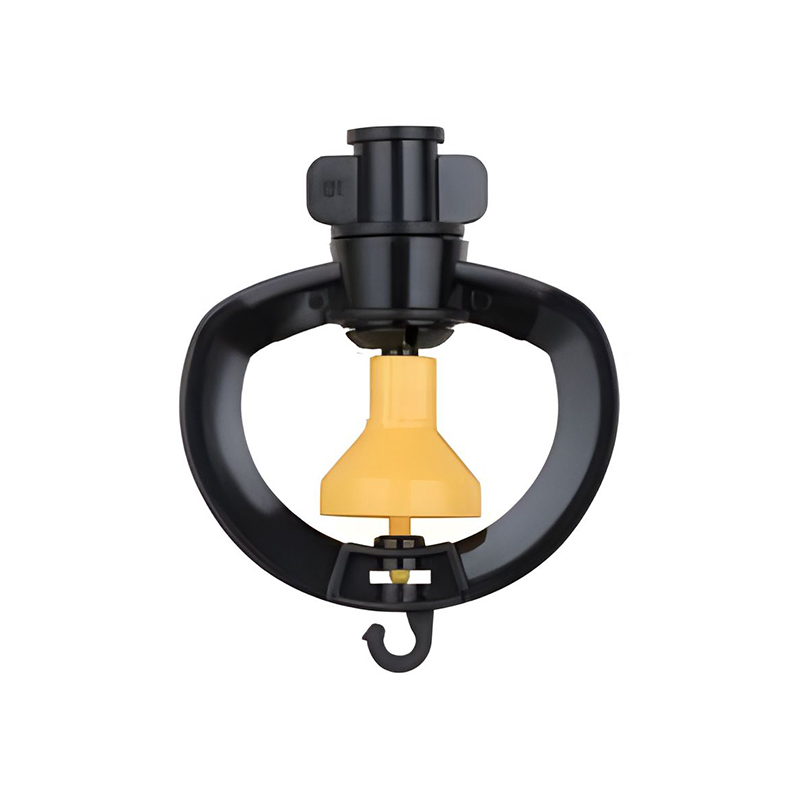
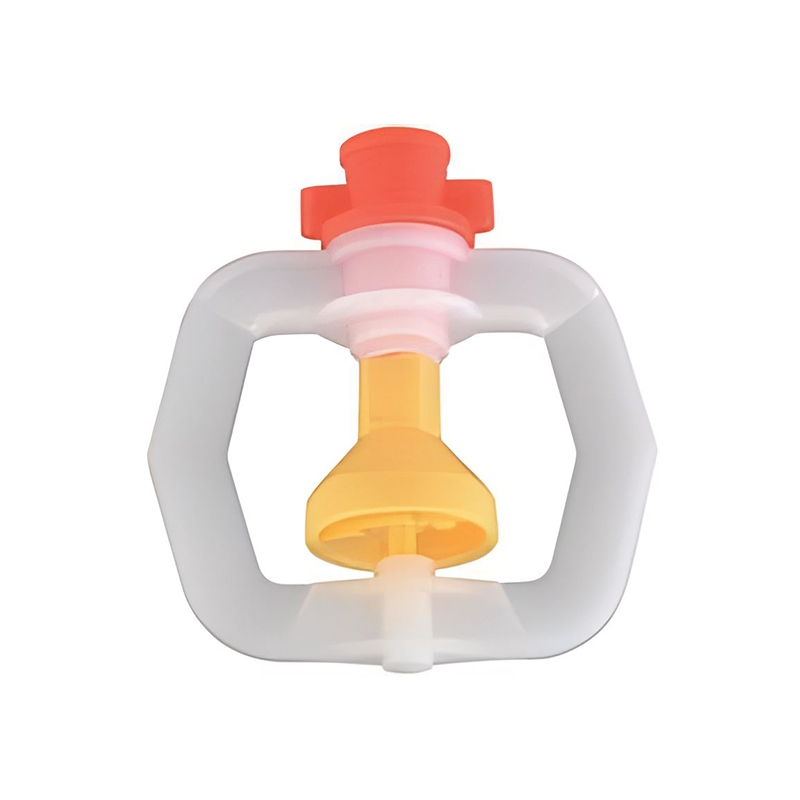
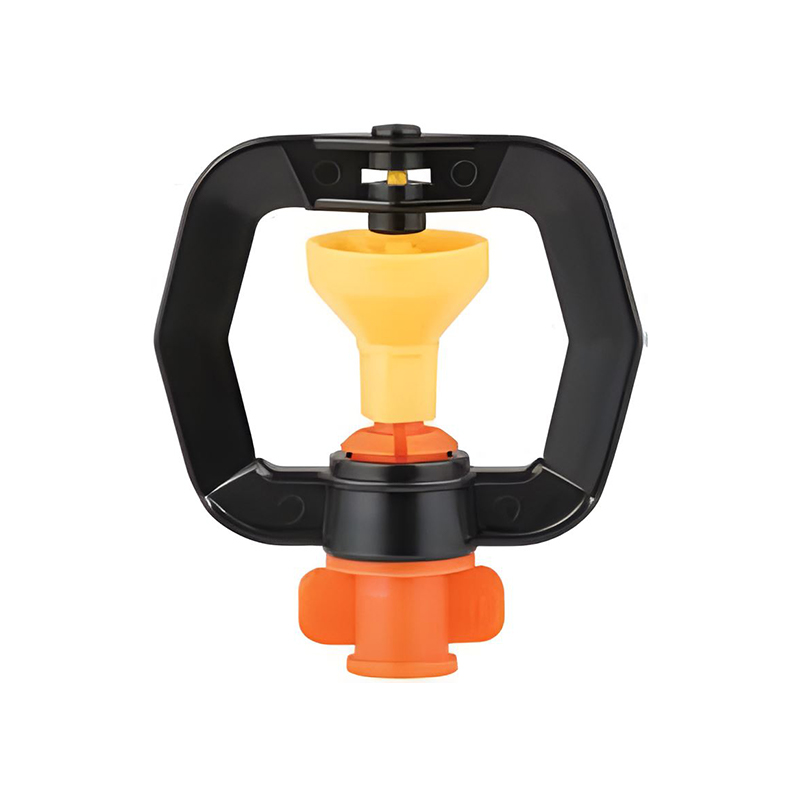
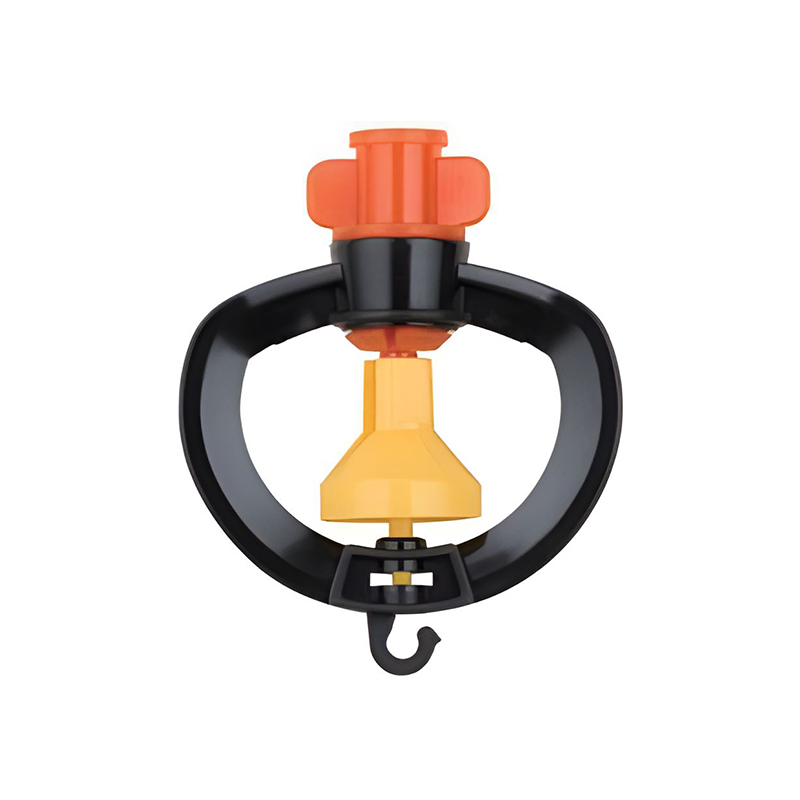
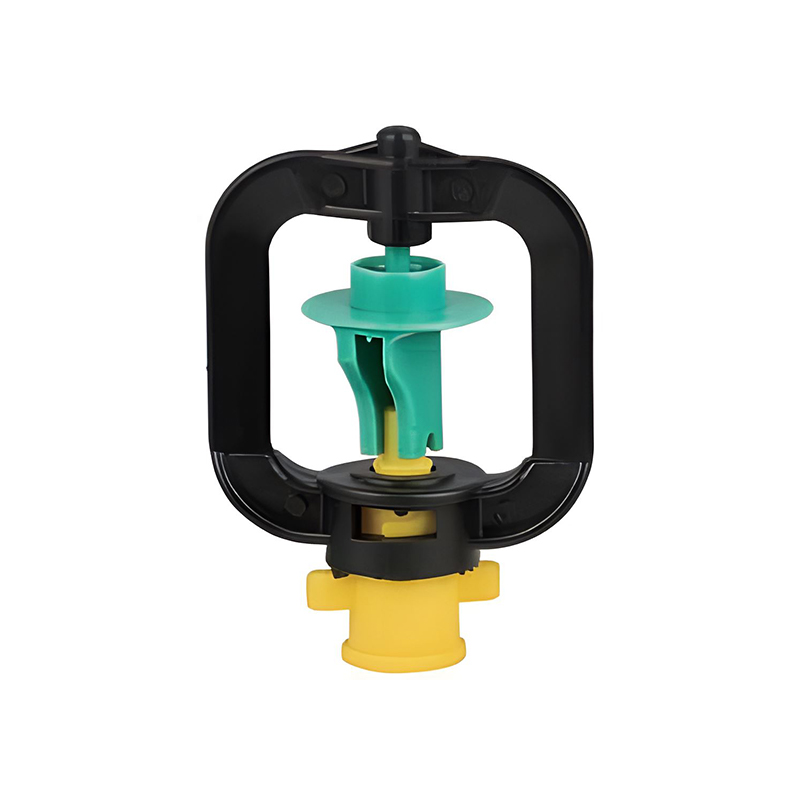
DC-M65
● Omvänt eller upprätt läge, används ofta i växthusbevattning för vatten- och gödseleffektivitet.
●Exakt löparsystemsdesign leder till utmärkt sprutjämnhet.
Obs: Testad i vindlös utomhus, inverterad position,..8m (det markmonterade munstycket är 0,4 meter över marken) ovanför marken.
Vi föreslår att vattentrycket bör överstiga 2 bar för bättre sprutjämnhet.
| Munstycksfärg/Diameter |  1,0 mm 1,0 mm |  1,2 mm 1,2 mm |  1,4 mm 1,4 mm |  1,6 mm 1,6 mm |  2,0 mm 2,0 mm | ||||||||||
| Vattentryck (bar) | Följ(L/H) | Radie(m) | Följ(L/H) | Radie(m) | Följ(L/H) | Radie(m) | Följ(L/H) | Radie(m) | Följ(L/H) | Radie(m) | |||||
| 1.5 | 36.7 | inverterad 2,0-3,0 | upprätt 2,0-3,0 | 53.6 | inverterad 2,0-3,0 | upprätt 2,0-3,0 | 72.2 | inverterad 2,5-3,5 | upprätt 2,5-3,5 | 96.7 | inverterad 2,5-3,5 | upprätt 2,5-3,5 | 144.2 | inverterad 2,5-3,5 | upprätt 2,5-3,5 |
| 2.0 | 43.9 | 64.6 | 86.1 | 115 | 170.8 | ||||||||||
| 2.5 | 50 | 73.9 | 98.3 | 130.8 | 193.3 | ||||||||||
| 3.0 | 55.6 | 81.7 | 109.7 | 145.8 | 216.7 | ||||||||||
Kontakta oss
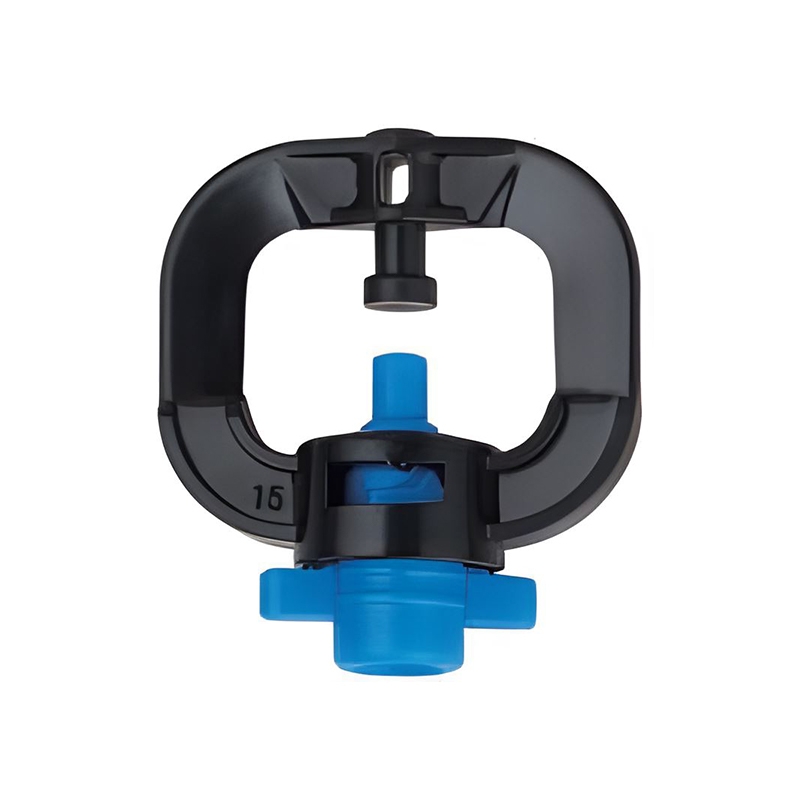
DC-M66
● Omvänt eller upprätt läge.
●Kilformad sektion kan minimera blinda zoner.
Obs: Testad i vindlös utomhus, inverterad position,..8m (det markmonterade munstycket är 0,4 meter över marken) ovanför marken.
Vi föreslår att vattentrycket bör överstiga 2 bar för bättre sprutjämnhet.
| Munstycksfärg/Diameter | 1,0 mm | 1,2 mm | 1,4 mm | 1,6 mm | 2,0 mm | ||||||||||
| Vattentryck (bar) | Följ(L/H) | Radie(m) | Följ(L/H) | Radie(m) | Följ(L/H) | Radie(m) | Följ(L/H) | Radie(m) | Följ(L/H) | Radie(m) | |||||
| 1.5 | 36.7 | inverterad 1,1-1,2 | upprätt 1-1,1 | 53.6 | inverterad 1,1-1,3 | upprätt 1-1,2 | 72.2 | inverterad 1,2-1,3 | upprätt 1,1-1,2 | 96.7 | inverterad 1,2-1,4 | upprätt 1,1-1,3 | 144.2 | inverterad 1,3-1,5 | upprätt 1,2-1,4 |
| 2.0 | 43.9 | 64.6 | 86.1 | 115 | 170.8 | ||||||||||
| 2.5 | 50 | 73.9 | 98.3 | 130.8 | 193.3 | ||||||||||
| 3.0 | 55.6 | 81.7 | 109.7 | 145.8 | 216.7 | ||||||||||
Kontakta oss
DC-M65-2A
Användning:
Används ofta för växthus, risodlingsplantor, plantskola, etc. Funktioner:
1. Roterande med ram, anti-läckage design
2. Exakt utformning av löparsystemet leder till utmärkt sprutjämnhet
3. Enkel installation
| Tryck | 2,0~3,0bar |
| Radie | 2,5 m |
| Flux | 100~200L/H |
| Munstycke Sise | 1,6 mm, 1,8 mm, 2,0 mm |
| Kontaktstorlek | Ø6mm,Ø7.5mm |
Kontakta oss
DC-M65-2B
Användning:
Används ofta för växthus, risodlingsplantor, plantskola, etc. Funktioner:
1. Roterande med ram, anti-läckage design
2. Exakt utformning av löparsystemet leder till utmärkt sprutjämnhet
3. Enkel installation
| Tryck | 2,0~3,0bar |
| Radie | 3,5 m |
| Flux | 100~200L/H |
| Munstycke Sise | 1,6 mm, 1,8 mm, 2,0 mm |
| Kontaktstorlek | Ø6mm,Ø7.5mm |
Kontakta oss
DC-M65-2C
Användning:
Används ofta för växthus, risodlingsplantor, plantskola, etc. Funktioner:
1. Roterande med ram, anti-läckage design
2. Exakt utformning av löparsystemet leder till utmärkt sprutjämnhet
3. Enkel installation
| Tryck | 2,0~3,0bar |
| Radie | 4,5 m |
| Flux | 100~200L/H |
| Munstycke Sise | 1,6 mm, 1,8 mm, 2,0 mm |
| Kontaktstorlek | Ø6mm,Ø7.5mm |
Kontakta oss
DC-M78A
Användning:
Används ofta för växthus, risodlingsplantor, plantskola, etc. Funktioner:
1. Roterande med ram, anti-läckage design
2. Exakt utformning av löparsystemet leder till utmärkt sprutjämnhet
3. Enkel installation
| Tryck | 2,0~3,0bar |
| Radie | 3,5~4,5m |
| Flux | 100~200L/H |
| Munstycke Sise | 2 mm, 1,8 mm, |
| Kontaktstorlek | Ø6.0mm,Ø7.5mm |
Kontakta oss
DC-M78B
Användning:
Används ofta för växthus, risodlingsplantor, plantskola, etc.
Funktioner:
1. Roterande med ram, anti-läckage design
2. Exakt utformning av löparsystemet leder till utmärkt sprutjämnhet
3. Enkel installation
| Tryck | 2,0~3,0bar |
| Radie | 3,5~4,5m |
| Flux | 100~200L/H |
| Munstycke Sise | 2 mm, 1,8 mm, |
| Kontaktstorlek | Ø6.0mm,Ø7.5mm |
Kontakta oss
DC-M78C
Användning:
Används ofta för växthus, risodlingsplantor, plantskola, etc. Funktioner:
1. Roterande med ram, anti-läckage design
2. Exakt utformning av löparsystemet leder till utmärkt sprutjämnhet
3. Enkel installation
| Tryck | 2,0~3,0bar |
| Radie | 3,5~4,5m |
| Flux | 100~200L/H |
| Munstycke Sise | 2 mm, 1,8 mm, |
| Kontaktstorlek | Ø6.0mm,Ø7.5mm |
Kontakta oss
DC-M78D
Användning:
Används ofta för växthus, risodlingsplantor, plantskola, etc. Funktioner:
1. Roterande med ram, anti-läckage design
2. Exakt utformning av löparsystemet leder till utmärkt sprutjämnhet
3. Enkel installation
| Tryck | 2,0~3,0bar |
| Radie | 3,5~4,5m |
| Flux | 100~200L/H |
| Munstycke Sise | 2 mm, 1,8 mm, |
| Kontaktstorlek | Ø6.0mm,Ø7.5mm |
Kontakta oss
DC-M78E
Användning:
Används ofta för växthus, risodlingsplantor, plantskola, etc. Funktioner:
1. Roterande med ram, anti-läckage design
2. Exakt utformning av löparsystemet leder till utmärkt sprutjämnhet
3. Enkel installation
| Tryck | 2,0~3,0bar |
| Radie | 3,5~4,5m |
| Flux | 100~200L/H |
| Munstycke Sise | 2 mm, 1,8 mm, |
| Kontaktstorlek | Ø6.0mm,Ø7.5mm |
Kontakta oss
DC-M78F
Användning:
Används ofta för växthus, risodlingsplantor, plantskola, etc. Funktioner:
1. Roterande med ram, anti-läckage design
2. Exakt utformning av löparsystemet leder till utmärkt sprutjämnhet
3. Enkel installation
| Tryck | 2,0~3,0bar |
| Radie | 3,5~4,5m |
| Flux | 100~200L/H |
| Munstycke Sise | 2 mm, 1,8 mm, |
| Kontaktstorlek | Ø6.0mm,Ø7.5mm |
Kontakta oss
Om oss
Ningbo Dewo Irrigation Equipment Co., Ltd.
Ningbo Dewo Irrigation Equipment Co., Ltd. is China Inverterad eller upprätt mikrospruta Manufacturers and Inverterad eller upprätt mikrospruta Factory, in Yuyao City, Ningbo, Zhejiang Province. It is adjacent to the two major ports of Ningbo and Shanghai and has very convenient transportation.
Med 20 års professionell tillverkningserfarenhet är det en formell tillverkare som integrerar produktdesign, FoU, produktion och försäljning. Det är specialiserat på produktion och försäljning av olika vattenbesparande bevattningsprodukter.
Dewo Irrigation täcker en yta på 15 000 kvadratmeter. Den har en komplett uppsättning utrustning såsom tillverkning av formsprutning, montering och testning för att säkerställa kvaliteten och leveranstiden för kundorder.
Driftsätt kontinuerligt och effektivt kvalitetsledningssystemet ISO9001, vilket ger de nödvändiga förutsättningarna för att möta kundernas behov.
Vårt företag har alltid tagit "vattenbesparing" som sitt koncept och "integritet först, kvalitet först" som sitt koncept. Vi ser fram emot uppriktigt samarbete, långsiktigt samarbete och win-win-utveckling med vänner från alla samhällsskikt hemma och utomlands.
Dygd finns överallt, och bördiga fält är tusentals mil bort! Baserat på dygd kommer vi att arbeta tillsammans för bördiga åkrar!
Nyheter
-
Att designa ett sprinklersystem är ett praktiskt jobb, inte en gissningslek. Rätt design börjar med ...
READ MORE -
Droppbevattning Hur man: Bottom Line Up Front Ett droppbevattningssystem fungerar när du planerar ...
READ MORE -
Det korta svaret: Hur man installerar ett droppbevattningssystem Kärninstallationsmetoden är densa...
READ MORE -
De flesta droppbevattningssystem bör köras i 1 till 4 timmar per bevattningscykel , men den exa...
READ MORE -
Att installera ett droppbevattningssystem för din trädgård är ett enkelt projekt. Du behöver ingen profe...
READ MORE
Relaterade produkter
-
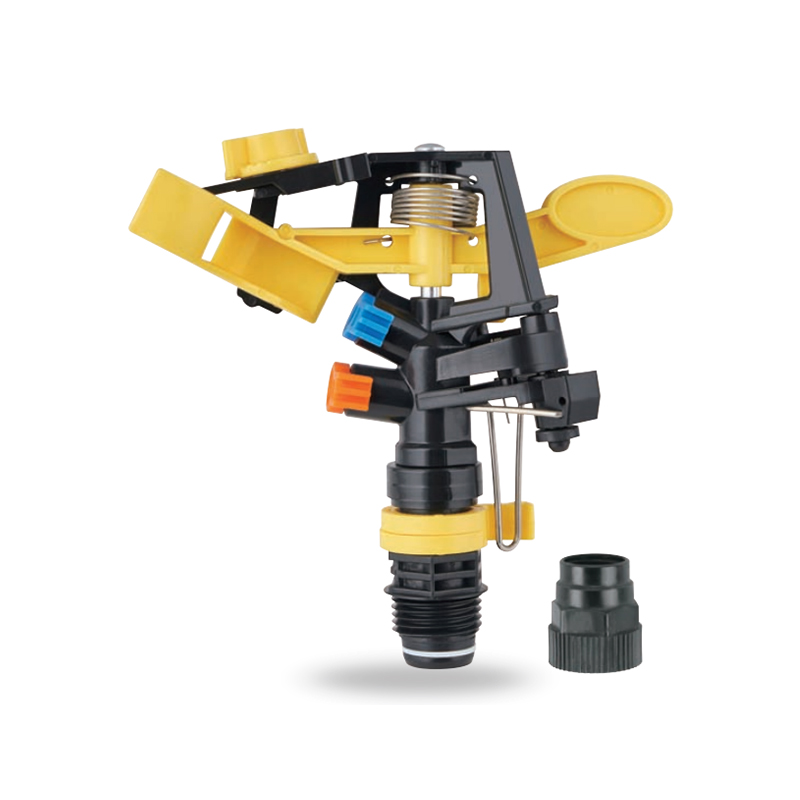
Stötsprinkler för jordbruksbevattning är ett vanligt och effektivt jordbruksbevattningsverktyg avsett för stora områden med jordbruksmark. Dess unika struktur kan jämnt täcka ett stort område genom...
See Details -
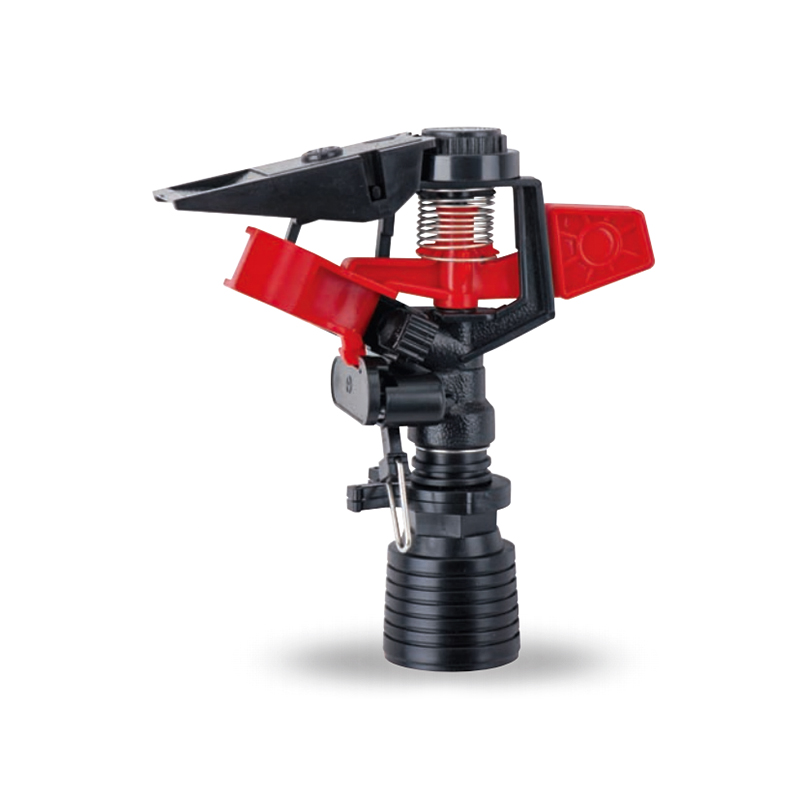
Denna 360 graders justerbara vipparmsmunstyckssprinkler är en viktig del av ett bevattningssystem utformat för att möta ett brett spektrum av trädgårds- och jordbruksbehov. Dess flexibla justerings...
See Details -
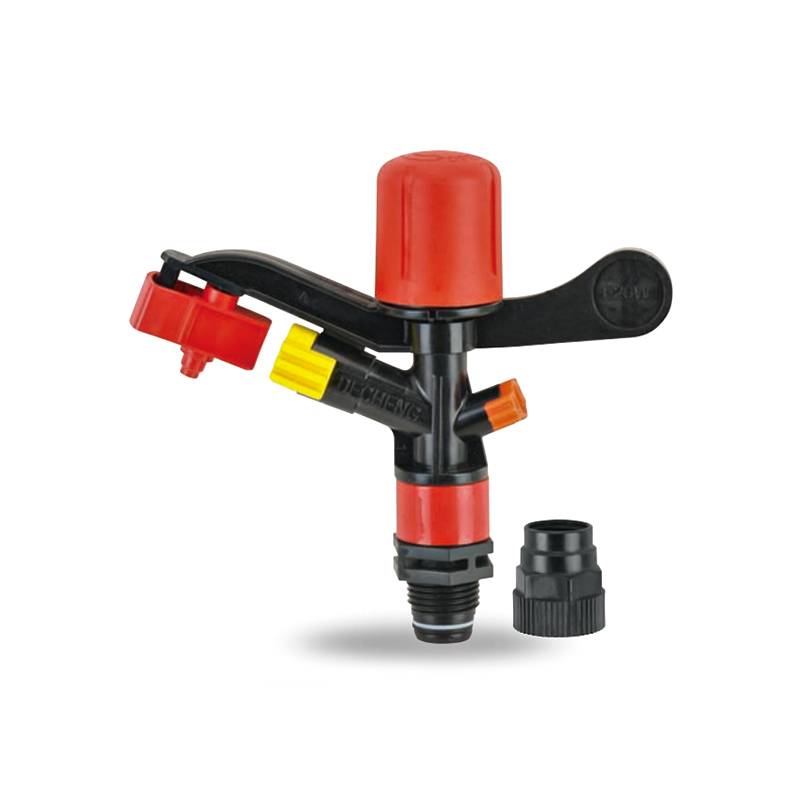
Plastic Full-Circle Impact Sprinkler Sprayer är en mycket effektiv full-cirkel bevattningsanordning utformad för att ge jämn fukttäckning. Dess lätta plastmaterial gör denna sprinkler lätt att inst...
See Details -
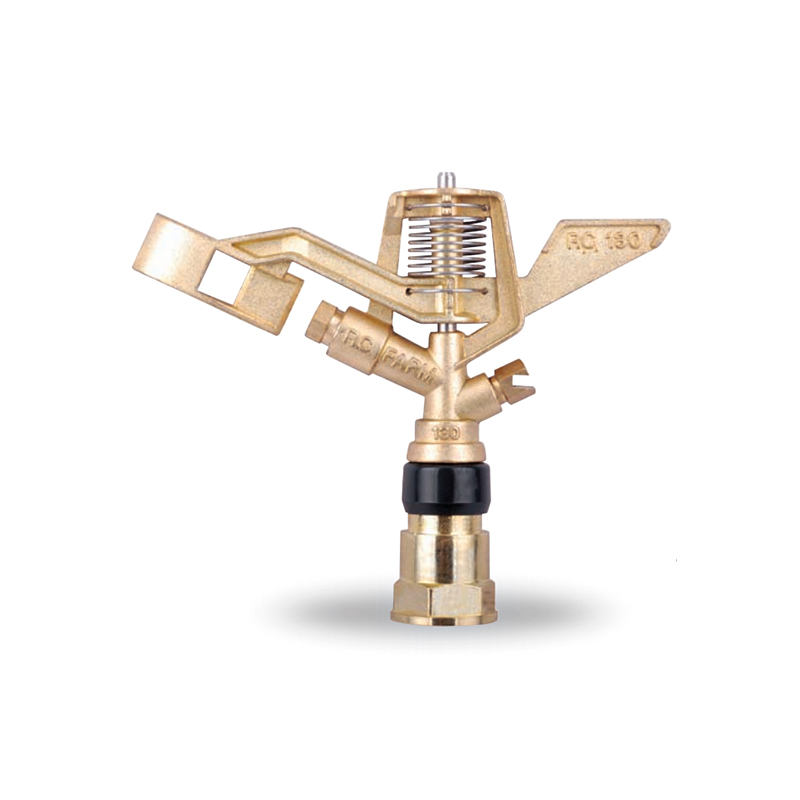
Denna 3/4” zinklegering med svängarmsbevattning för bevattningssystem slagsprinkler är idealisk för bevattningssystem i jordbruket på grund av sin överlägsna hållbarhet och korrosionsbeständighet. ...
See Details -
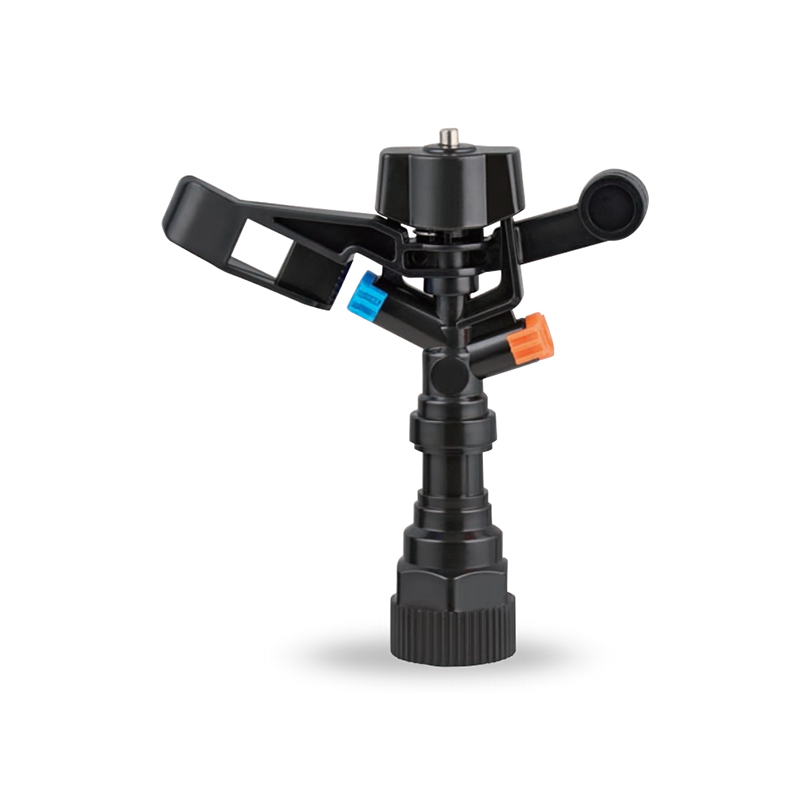
Dubbelmunstycket trädgårdsgård med fullcirkelsprinkler är väl utformad för att effektivt och jämnt spruta vatten, vilket förbättrar kvaliteten på grödans tillväxt. Oavsett om det är i trädgården el...
See Details -
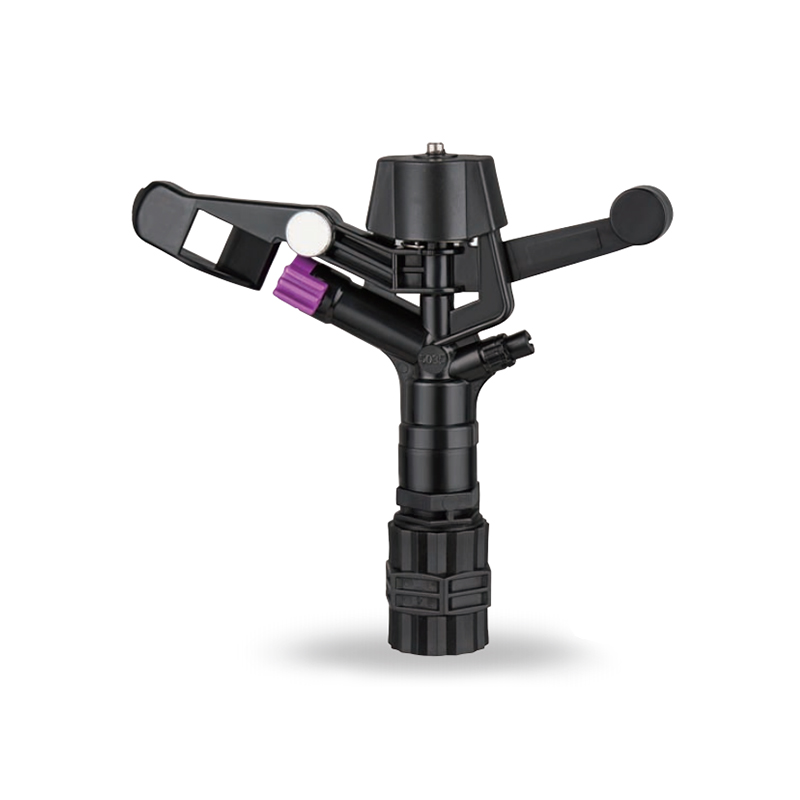
Dubbelmunstycke jordbruksvatten plast slagsprinkler för bevattningssprinkler kombinerar funktionalitet och hållbarhet med ett dubbelt munstyckssystem som ger omfattande vattentäckning för ett brett...
See Details
Meddelande Feedback
Inverterad eller upprätt mikrospruta Industry knowledge
What Factors Determine Whether to Choose Inverted Or Upright Type Micro Sprayers?
In modern agricultural and landscape irrigation systems, micro sprayers have emerged as a cornerstone of water-efficient solutions. However, choosing between inverted or upright type micro sprayer configurations remains a critical yet often overlooked decision.
1. Topography and Application Scope
Upright micro sprayers, with their upward-facing nozzles, excel in flat or gently sloped terrains where uniform water distribution is paramount. These systems are ideal for row crops, orchards, and ornamental gardens requiring consistent coverage. Conversely, inverted micro sprayers—designed to hang from overhead structures—minimize clogging risks in dusty or debris-prone environments while delivering targeted water streams. Their downward orientation suits greenhouses, nurseries, and vertical farming setups where precision and contamination control are priorities.
2. Water Conservation and Energy Efficiency
Dewo Irrigation's R&D team emphasizes that inverted models reduce evaporation losses by up to 15% compared to upright variants, particularly in arid climates. However, upright sprayers often operate at lower pressure thresholds (10–20 PSI), reducing pumping costs for large-scale field deployments. Farmers must weigh local water scarcity against energy budgets to align with sustainability goals.
3. Crop-Specific Requirements
Tall crops like maize or sunflowers benefit from upright sprayers’ elevated mist dispersion, while low-growing strawberries or leafy greens thrive under the gentle, direct droplets of inverted systems. Dewo’s customizable nozzles—available in 180° to 360° spray patterns—enable users to fine-tune droplet size and flow rates (10–30 liters/hour) for crop-specific hydration without overspray.
4. Maintenance and Longevity
Inverted installations inherently protect internal components from soil splashback and UV degradation, extending service life in harsh environments. Upright models, however, allow easier visual inspections and quicker debris clearance. Dewo’s anti-clogging polymer filters, tested across 10,000+ hours of operation, ensure reliability in both configurations but demand periodic flushing in high-sediment water sources.
5. Cost-Benefit Analysis
While inverted systems incur 20–30% higher initial costs due to mounting hardware, their durability often offsets long-term replacement expenses. Upright sprayers, with simpler installation and lower unit pricing, appeal to budget-conscious projects. Dewo’s proximity to Ningbo and Shanghai ports further streamlines logistics, enabling competitive bulk pricing for global clients.
Neither design is universally superior.A tea plantation in Zhejiang’s hills may prioritize inverted sprayers to combat erosion, while a Midwest U.S. soybean farm might favor uprights for rapid coverage. To analyze soil porosity, crop root depth, and local climate data to engineer site-specific solutions.
With ISO-certified manufacturing and patented turbulence-chamber technology, Dewo Irrigation has supplied over 500,000 micro sprayers to 30+ countries, proving that informed configuration choices—paired with precision engineering—can elevate water-use efficiency by up to 40%. As drought resilience becomes non-negotiable, selecting the right micro sprayer type transforms from a technical detail into a strategic imperative.


PRODUKTER OCH TJÄNSTER

KONTAKTA OSS
 No.518, Ruihao Road, Lizhou Street, Yuyao City, Zhejiang-provinsen, Kina
 +86-13105554615 / +86-18005843886
 decheng@dcssq.com fredzhu@dcssq.com
 LISA
LISA
 Fred Zhu
Upphovsrätt © Ningbo Dewo Irrigation Equipment Co., Ltd. Alla rättigheter reserverade. China Inverterad eller upprätt mikrospruta Manufacturers Inverterad eller upprätt mikrospruta Factory
