 Search for...
information to be updated


FÖRFRÅGAN NU
Irrigation Plastic Valve Suppliers
Valves & Pipe Fitting-serien är en nyckelkomponent i ett bevattningssystem, designat för att ansluta och kontrollera vattenflödet. Denna serie av produkter inkluderar en mängd olika ventiler, skarvar och rördelar, lämpliga för olika typer av bevattning och vattentillförselsystem, vilket säkerställer ett jämnt och exakt flöde av vatten i rören. Ventilen ger exakta på-av- och flödesjusteringsfunktioner, vilket gör att användaren kan kontrollera mängden vatten efter behov. Rörkopplingarna är tillverkade av högkvalitativa och hållbara material, som är motståndskraftiga mot tryck och korrosion, och kan anpassa sig till olika komplexa installationsmiljöer och vattenkvalitetsförhållanden. Oavsett om det är jordbruksbevattning, trädgårdssystem eller industriell vattenanvändning säkerställer dessa produkter stabil och effektiv drift samtidigt som de förenklar systeminstallation och underhåll.
VENTILER & RÖR FITTINGSSERIE
information to be updated
Om oss
Ningbo Dewo Irrigation Equipment Co., Ltd.
Ningbo Dewo Irrigation Equipment Co., Ltd. is China Irrigation Plastic Valve Suppliers and Irrigation Plastic Valve Company, in Yuyao City, Ningbo, Zhejiang Province. It is adjacent to the two major ports of Ningbo and Shanghai and has very convenient transportation.
Med 20 års professionell tillverkningserfarenhet är det en formell tillverkare som integrerar produktdesign, FoU, produktion och försäljning. Det är specialiserat på produktion och försäljning av olika vattenbesparande bevattningsprodukter.
Dewo Irrigation täcker en yta på 15 000 kvadratmeter. Den har en komplett uppsättning utrustning såsom tillverkning av formsprutning, montering och testning för att säkerställa kvaliteten och leveranstiden för kundorder.
Driftsätt kontinuerligt och effektivt kvalitetsledningssystemet ISO9001, vilket ger de nödvändiga förutsättningarna för att möta kundernas behov.
Vårt företag har alltid tagit "vattenbesparing" som sitt koncept och "integritet först, kvalitet först" som sitt koncept. Vi ser fram emot uppriktigt samarbete, långsiktigt samarbete och win-win-utveckling med vänner från alla samhällsskikt hemma och utomlands.
Dygd finns överallt, och bördiga fält är tusentals mil bort! Baserat på dygd kommer vi att arbeta tillsammans för bördiga åkrar!
Nyheter
-
Att designa ett sprinklersystem är ett praktiskt jobb, inte en gissningslek. Rätt design börjar med ...
READ MORE -
Droppbevattning Hur man: Bottom Line Up Front Ett droppbevattningssystem fungerar när du planerar ...
READ MORE -
Det korta svaret: Hur man installerar ett droppbevattningssystem Kärninstallationsmetoden är densa...
READ MORE -
De flesta droppbevattningssystem bör köras i 1 till 4 timmar per bevattningscykel , men den exa...
READ MORE -
Att installera ett droppbevattningssystem för din trädgård är ett enkelt projekt. Du behöver ingen profe...
READ MORE
Relaterade produkter
-
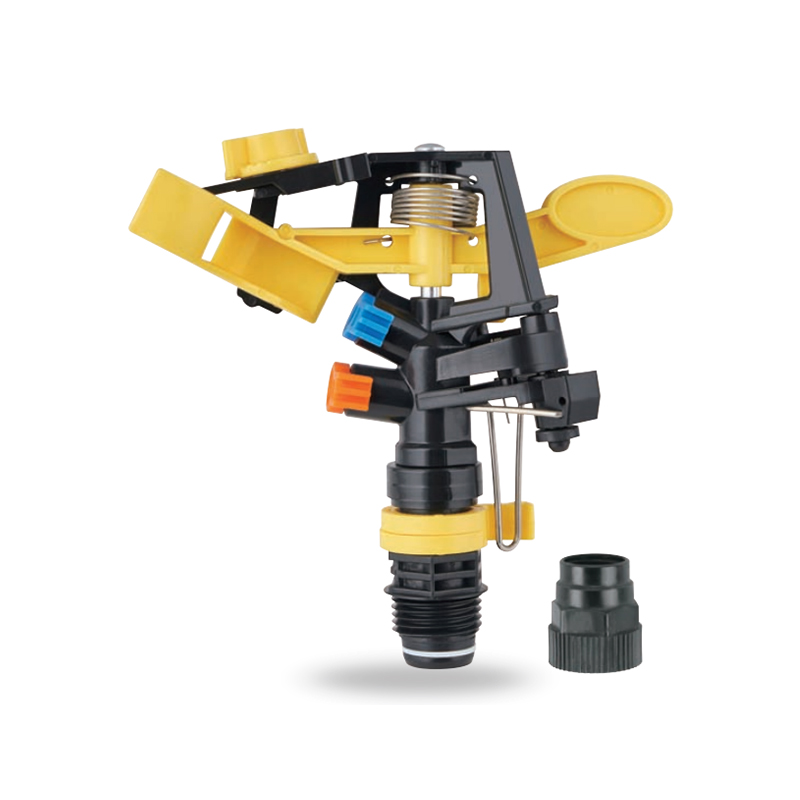
Stötsprinkler för jordbruksbevattning är ett vanligt och effektivt jordbruksbevattningsverktyg avsett för stora områden med jordbruksmark. Dess unika struktur kan jämnt täcka ett stort område genom...
See Details -
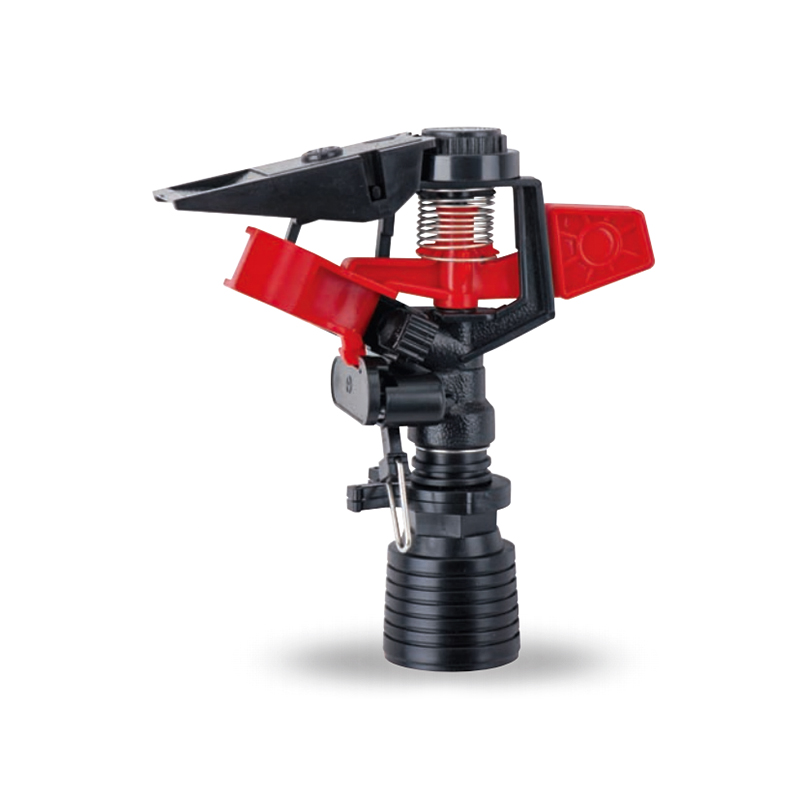
Denna 360 graders justerbara vipparmsmunstyckssprinkler är en viktig del av ett bevattningssystem utformat för att möta ett brett spektrum av trädgårds- och jordbruksbehov. Dess flexibla justerings...
See Details -
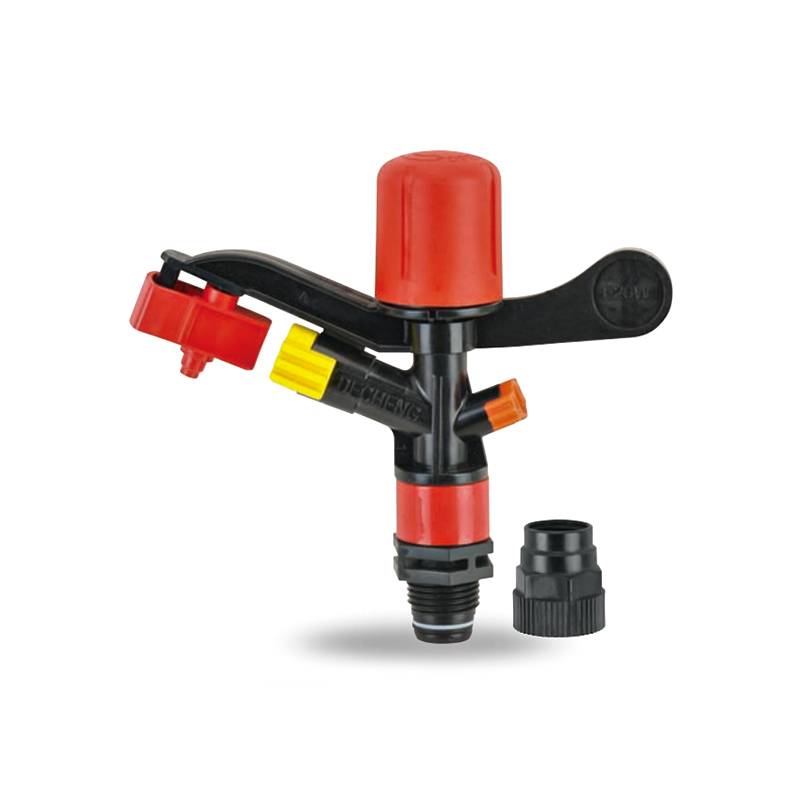
Plastic Full-Circle Impact Sprinkler Sprayer är en mycket effektiv full-cirkel bevattningsanordning utformad för att ge jämn fukttäckning. Dess lätta plastmaterial gör denna sprinkler lätt att inst...
See Details -
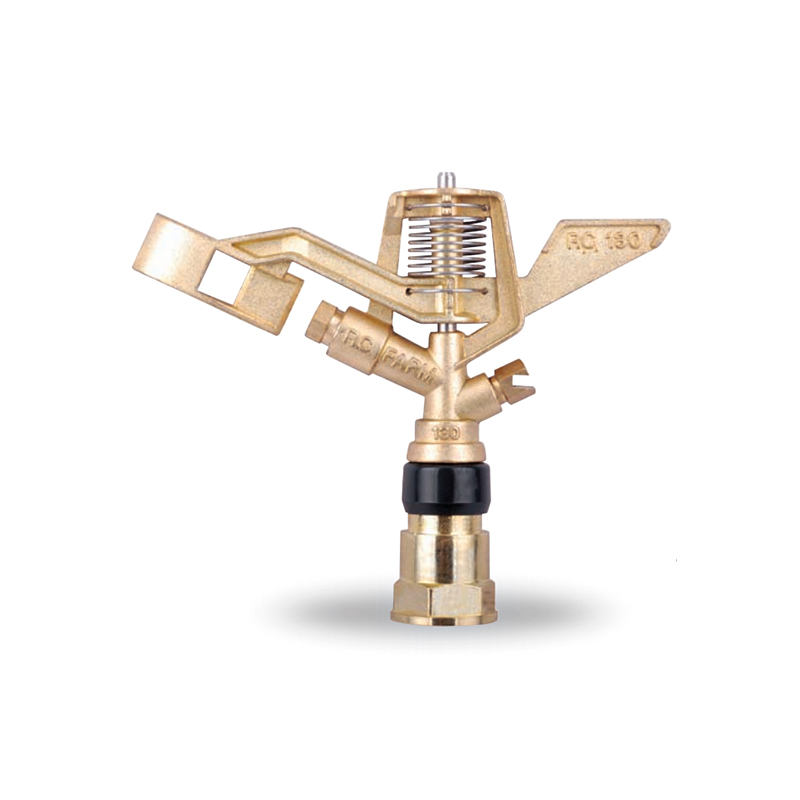
Denna 3/4” zinklegering med svängarmsbevattning för bevattningssystem slagsprinkler är idealisk för bevattningssystem i jordbruket på grund av sin överlägsna hållbarhet och korrosionsbeständighet. ...
See Details -
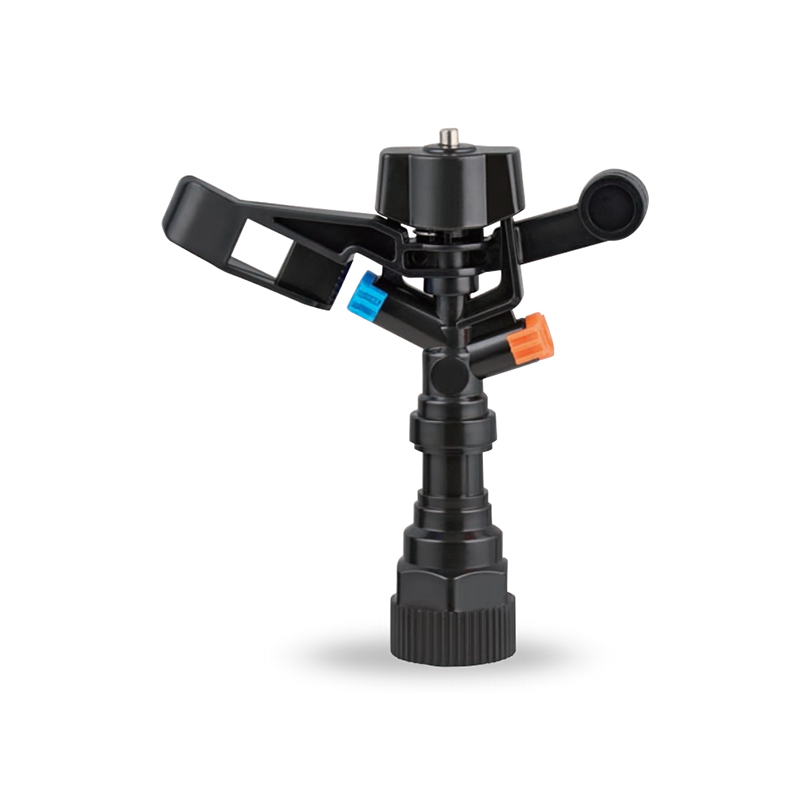
Dubbelmunstycket trädgårdsgård med fullcirkelsprinkler är väl utformad för att effektivt och jämnt spruta vatten, vilket förbättrar kvaliteten på grödans tillväxt. Oavsett om det är i trädgården el...
See Details -
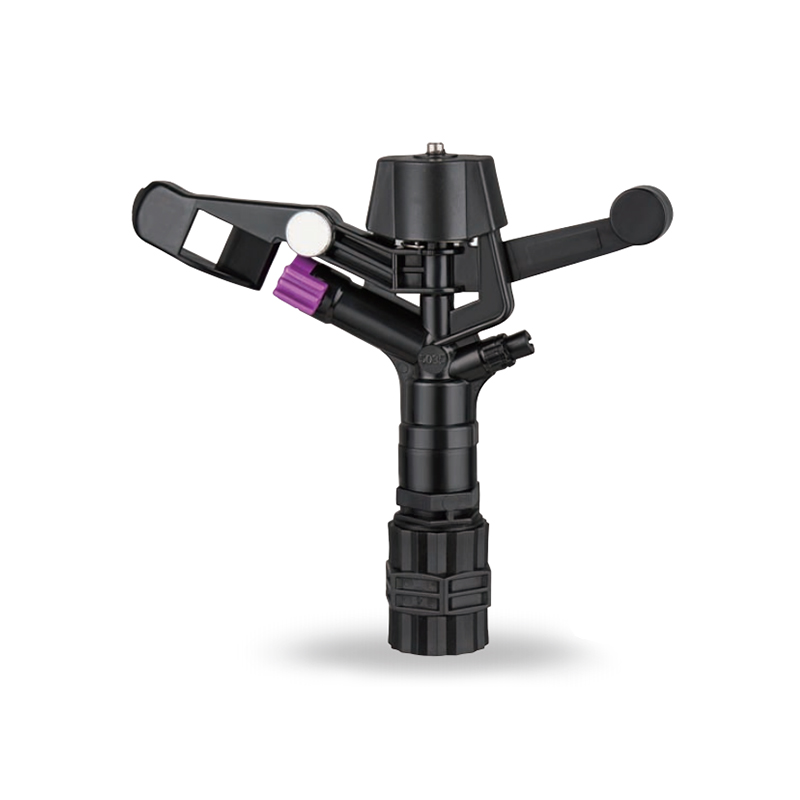
Dubbelmunstycke jordbruksvatten plast slagsprinkler för bevattningssprinkler kombinerar funktionalitet och hållbarhet med ett dubbelt munstyckssystem som ger omfattande vattentäckning för ett brett...
See Details
Meddelande Feedback
VENTILER & RÖR FITTINGSSERIE Industry knowledge
How Does HDPE Compare to PVC in Manufacturing High-Performance Irrigation Plastic Valves?
In the competitive world of agricultural and industrial irrigation systems, the choice of materials for manufacturing critical components like plastic valves can make or break performance. Two polymers dominate the conversation: High-Density Polyethylene (HDPE) and Polyvinyl Chloride (PVC).
Material Properties: HDPE vs. PVC
1. Durability and Flexibility
HDPE excels in environments requiring impact resistance and flexibility. Its molecular structure allows it to withstand extreme temperatures (-50°C to 60°C) and physical stress without cracking, making it ideal for valves in dynamic or high-pressure irrigation systems. PVC, while rigid and strong, becomes brittle under prolonged UV exposure or sub-zero conditions, limiting its use in harsh climates.
2. Chemical and Corrosion Resistance
Both materials resist chemical corrosion, but HDPE outperforms PVC in handling acidic or alkaline fluids common in fertilizer-injection systems. PVC’s chlorine content offers inherent resistance to microbial growth, but it may degrade when exposed to certain hydrocarbons.
3. Installation and Maintenance
HDPE valves are lightweight and joined using heat fusion, creating leak-free, monolithic systems. PVC relies on solvent welding or threaded connections, which can weaken over time. For large-scale irrigation networks, HDPE’s fusion joints reduce long-term maintenance costs.
4. Environmental Impact
HDPE is 100% recyclable and requires less energy to produce than PVC, which releases toxic chlorine compounds during manufacturing. Sustainability-focused projects increasingly favor HDPE to meet green certifications.
Why Ningbo Dewo Irrigation Excels in Valve Manufacturing
Strategically located near Ningbo and Shanghai ports, Ningbo Dewo Irrigation Equipment Co., Ltd. combines two decades of R&D expertise with streamlined logistics to deliver precision-engineered irrigation valves. Their product range—including ball valves, diaphragm valves, and solenoid valves—utilizes both HDPE and PVC, tailored to client needs.
HDPE Valves: Designed for longevity in corrosive or high-stress environments, such as coastal farms or industrial zones.
PVC Valves: Cost-effective solutions for lightweight, low-pressure residential or greenhouse systems.
The company’s integrated approach—from prototyping to mass production—ensures rigorous quality control. Advanced molding technologies and ISO-certified processes guarantee dimensional accuracy and reliable performance, whether customers prioritize HDPE’s resilience or PVC’s affordability.
While PVC remains a budget-friendly option for simpler applications, HDPE is increasingly the material of choice for irrigation plastic valve demanding durability, chemical resistance, and sustainability. As global agriculture faces climate challenges and water scarcity, innovators like Ningbo Dewo Irrigation are pivotal in advancing systems that maximize efficiency and minimize waste.

PRODUKTER OCH TJÄNSTER

KONTAKTA OSS
 No.518, Ruihao Road, Lizhou Street, Yuyao City, Zhejiang-provinsen, Kina
 +86-13105554615 / +86-18005843886
 decheng@dcssq.com fredzhu@dcssq.com
 LISA
LISA
 Fred Zhu
Upphovsrätt © Ningbo Dewo Irrigation Equipment Co., Ltd. Alla rättigheter reserverade. China Irrigation Plastic Valve Suppliers Irrigation Plastic Valve Company
